Why sleep supplements aren't working to help you overcome insomnia in your 40s and 50s
Why sleep supplements aren't working to help you overcome insomnia in your 40s and 50s
Have you tried various sleep supplements but you're still struggling with long-term insomnia or sleep problems?
Many people take supplements because they genuinely want to improve their sleep. Sometimes they're recommended by a friend, sometimes they're based on a deficiency, and sometimes they're simply the latest product that promises better sleep. While many of these can provide valuable support, they don't always help you fully overcome chronic insomnia or sleep problems.
In this video, we look beyond sleep supplements and explore why different supplements support different parts of your sleep, but may not address the reason you're still struggling. Over the last 12 years in my sleep coaching practice, I've seen how many people rely on products without first asking whether they're actually supporting the part of their sleep that needs the most help.
We look at the different types of sleep supplements people commonly use, including magnesium, vitamins and minerals, melatonin, herbal remedies such as valerian root, CBD products, and even over-the-counter pharmacy products such as sedating antihistamines. Each of these is designed to provide a different type of support, so it's important to understand what they're intended to do before expecting them to solve every aspect of your sleep problem.
We also explore why the reason you're taking a supplement matters just as much as the supplement itself. Are you taking it because you have a deficiency? Because someone recommended it? Because it helped at first? Or simply because you're hoping it will finally be the answer? These questions can completely change how you evaluate whether something is genuinely helping your sleep.
If you're in your 40s or 50s and you're more of what I describe as a thinker type person, this becomes even more important. If your biggest challenge is an overactive mind, sleep-related pressure or nighttime overthinking, physical supplements alone may not provide the mental skills or emotional support your sleep actually needs. That's where understanding your own sleep patterns becomes much more valuable than simply trying another product.
Rather than asking whether sleep supplements work, I encourage you to identify what gap still exists in your current support system. When you understand the physical, emotional and mental aspects of your sleep, you can begin developing practical Sleep Skills for Life that help you overcome insomnia naturally and create consistently great quality sleep.
If you're looking for help with your long-term sleep problems or insomnia, or a sleep coach to support you to overcome long-term insomnia, feel free to get in touch or arrange a sleep assessment through my website.
Beatrix
It's always best to watch the entire video, but here are some chapters for you:
00:00 Why your sleep supplements aren't working to help you overcome insomnia or sleep problems
01:47 Are you taking the sleep supplements for the 'right' reasons?
03:27 Make a list of the sleep supplements that you are currently taking
07:07 How does the 'placebo effect' work with sleep supplements
08:11 What is the gap that you are seeing and what your sleep supplements are not helping you with?
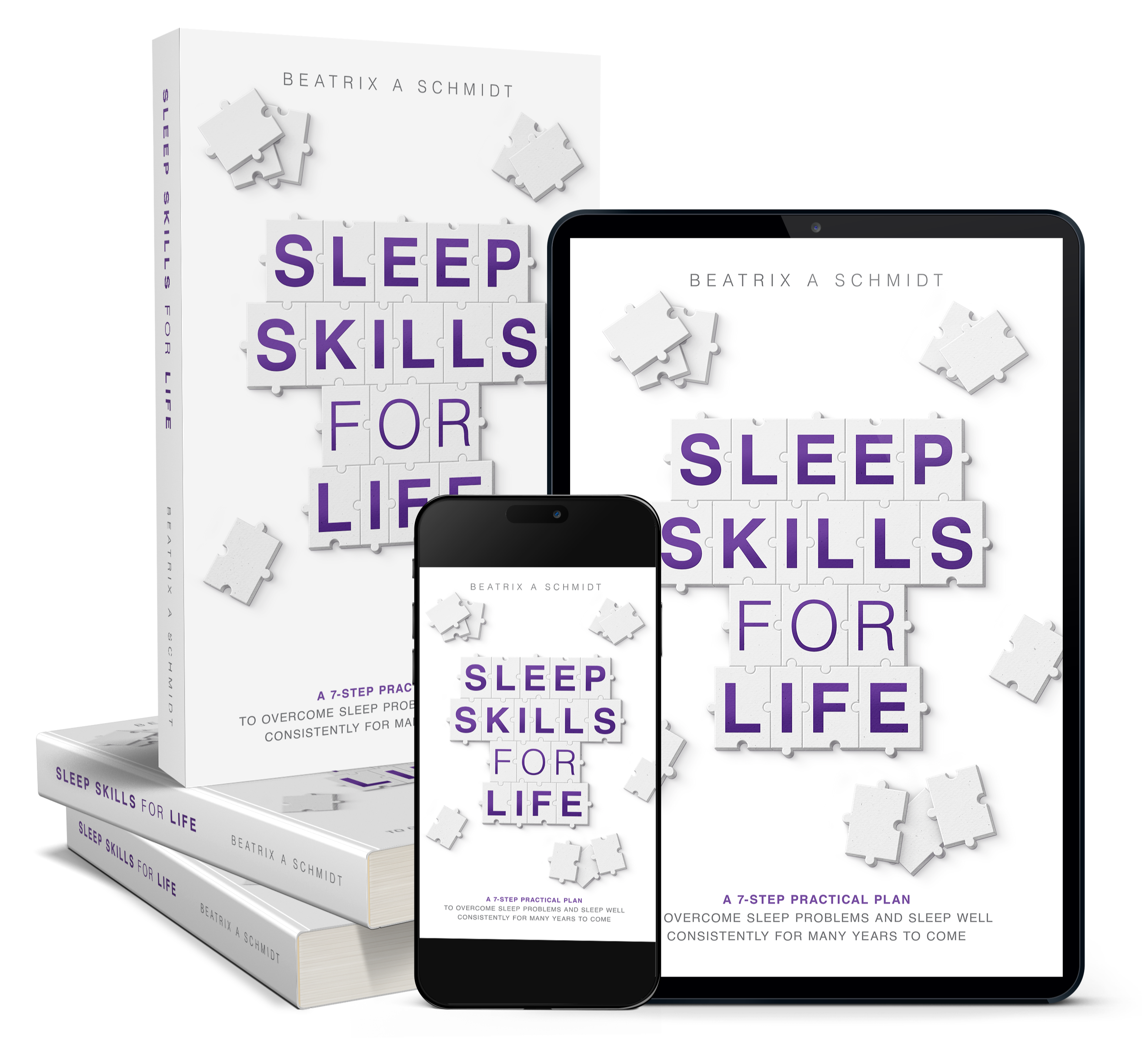
To get started overcoming your insomnia or sleep problems, download Chapter One of my book called Sleep Skills for Life
Sleeping well consistently every night is less about your science ‘knowledge’ and more about developing practical sleep skills